
Aquatic Plant Management (APM)
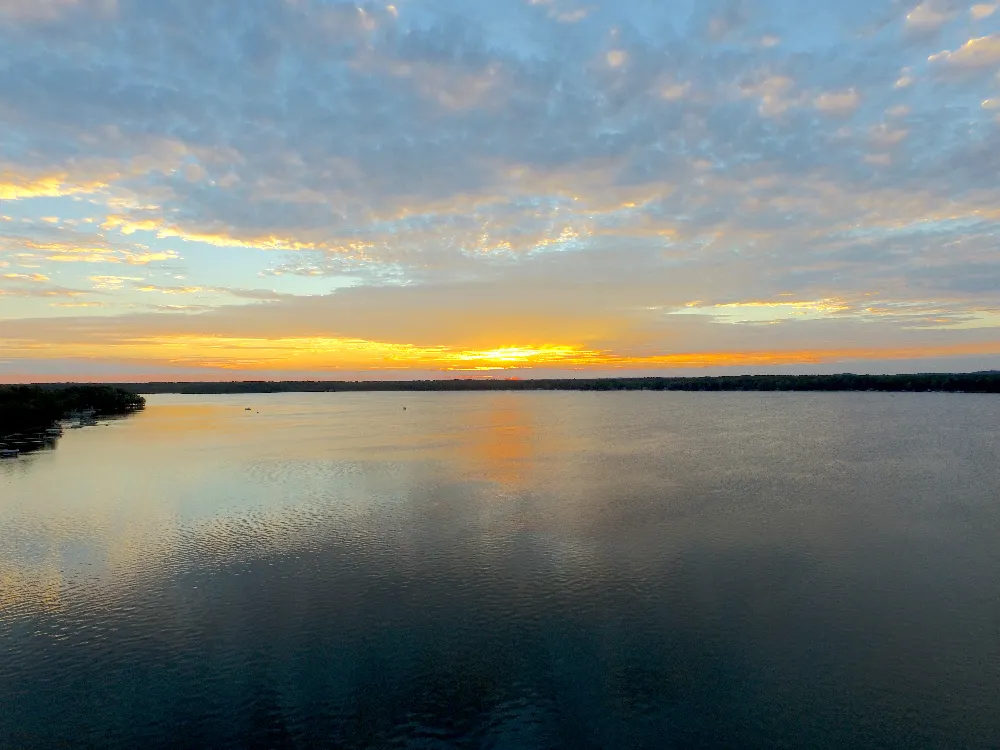
Protecting the Health of White Potato Lake
The White Potato Lake District is actively developing and implementing an Aquatic Plant Management (APM) Plan to protect the long-term health of the lake.
This plan is a science-based, community-supported effort focused on:
The APM Plan ensures that decisions are guided by data, expert analysis, and input from lake residents.
The APM Plan is built on a foundation of scientific research, professional analysis, and community involvement. The White Potato Lake District is working in partnership with the Wisconsin Department of Natural Resources (DNR) and environmental consultants to ensure that all decisions are informed by accurate data and proven management practices.
At the same time, input from lake residents plays an important role in shaping the plan. Stakeholder surveys, public meetings, and ongoing communication help ensure that the priorities of the community are reflected in the lake management strategy.
Current APM Project (2024–2025)
The second phase centers on public participation and long-term planning. This includes gathering feedback from lake stakeholders, hosting planning meetings, and developing a practical, science-based management plan that will guide future decisions. This process not only improves the quality of the plan, but also ensures that the District remains eligible for future funding opportunities that can significantly reduce the cost of lake management efforts.
Progress and Findings
For example, recent removal efforts eliminated approximately 95 cubic feet of invasive plant material from the lake, demonstrating both the scale of the work and the effectiveness of focused management strategies .
Ongoing monitoring continues to play a critical role in identifying new growth early and preventing further spread.
Long-Term Management Strategy
The White Potato Lake District follows an Integrated Pest Management (IPM) approach, which emphasizes careful monitoring, targeted intervention, and long-term sustainability. Rather than relying on a single solution, this approach combines multiple strategies to manage invasive species while protecting native plant communities.
By continuously collecting data and adapting strategies based on results, the District is able to respond effectively to changing conditions in the lake while minimizing unnecessary disruption to the ecosystem.
The Role of the Community
Protecting White Potato Lake is a shared responsibility. The success of the APM Plan depends not only on scientific research and funding, but also on the involvement of the community.
Lake residents contribute by participating in surveys, attending meetings, monitoring their shorelines, and volunteering for management efforts. This level of involvement strengthens the overall effectiveness of the plan and helps ensure that the lake remains healthy for years to come.
Reports and Supporting Documents
The APM Plan is supported by a range of technical reports, grant documents, and survey data. These materials provide additional detail on the work being completed and the findings that guide management decisions.
Available documents include:
- Aquatic Invasive Species Planning Overview
- Biological Survey Grant Agreement
- Public Participation Grant Agreement
- Eurasian Water Milfoil Removal Report (2024)
- Lake Survey Maps
Stay Involved
The work being done today will shape the future of White Potato Lake. Staying informed and involved is one of the most important ways to support that effort.
Residents are encouraged to participate in upcoming meetings, review project updates, and contribute to ongoing lake management initiatives.
For example, recent removal efforts eliminated approximately 95 cubic feet of invasive plant material from the lake, demonstrating both the scale of the work and the effectiveness of focused management strategies .
Ongoing monitoring continues to play a critical role in identifying new growth early and preventing further spread.