Protecting White Potato Lake for Future Generations
The White Potato Lake District is dedicated to preserving water quality, managing invasive species, and supporting a healthy, sustainable lake for residents and visitors.
Stay Informed
Upcoming Events
No events found.
Aquatic Invasive Species Management
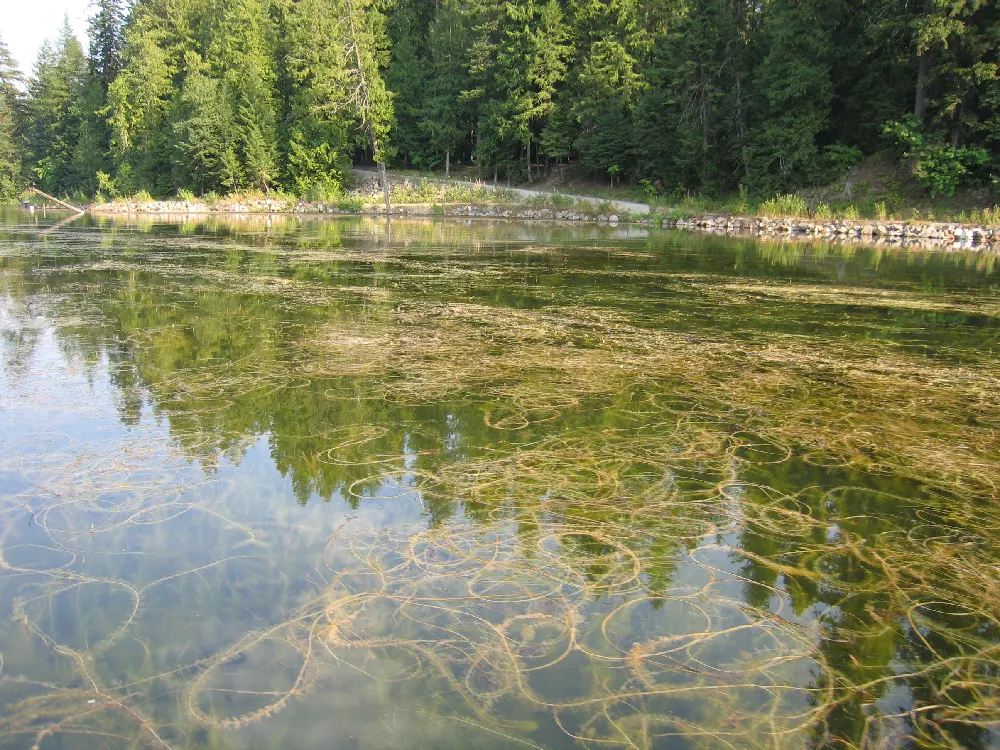
One of the most important challenges facing White Potato Lake is the spread of invasive species like Eurasian Water Milfoil.
The Lake District is currently leading a multi-year Aquatic Plant Management (APM) project, combining:
Whole-lake biological surveys
Mapping of invasive species
Stakeholder input and planning
Targeted removal efforts
Recent efforts have already removed significant invasive plant material from the lake, while ongoing monitoring helps prevent further spread and protect native plant life.
WHAT WE DO
Managing, Protecting, and Improving Our Lake
The White Potato Lake District (WPLD) is a local government organization formed to protect the long-term health of White Potato Lake. Through science-based planning, community involvement, and partnerships with the Wisconsin DNR, we work to preserve the lake’s ecosystem, water quality, and recreational value.
Our work includes:
Monitoring water quality and aquatic plant life
Managing invasive species like Eurasian Water Milfoil (EWM)
Coordinating lake management planning and grants
Supporting fisheries and habitat health
Keeping residents informed and involved
Programs
Current Initiatives & Projects
Aquatic Plant Management
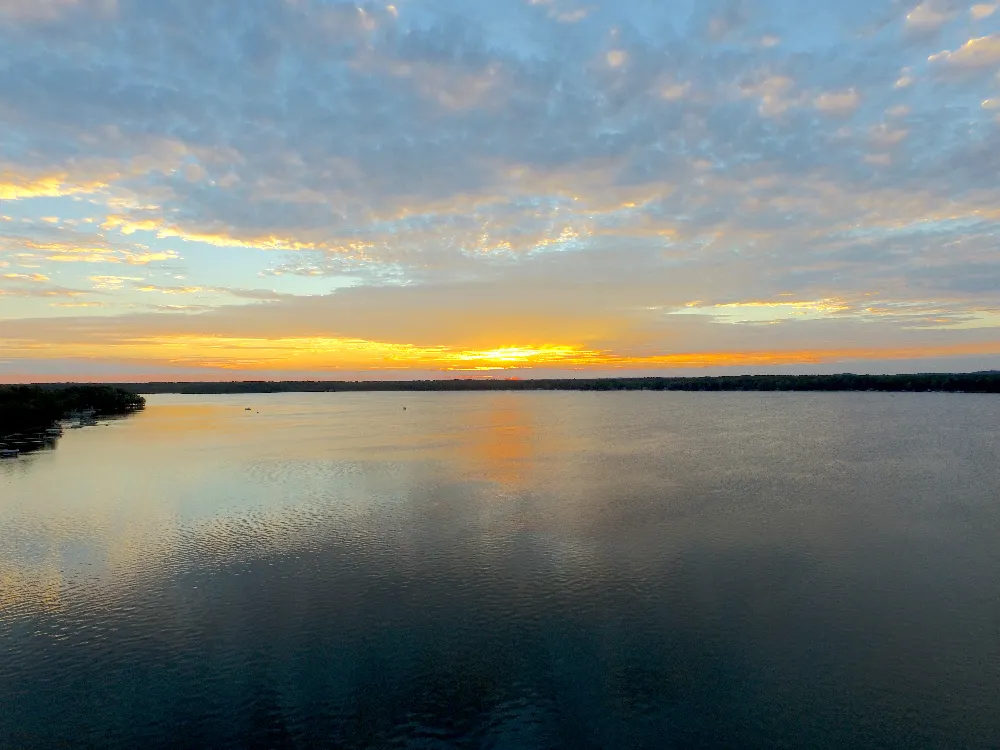
The White Potato Lake District is actively developing a science-based Aquatic Plant Management (APM) Plan to protect the long-term health of the lake. This effort combines professional research, lake-wide surveys, and community input to guide how invasive species are managed and native ecosystems are preserved.
Eurasion Water Milfoil Removal
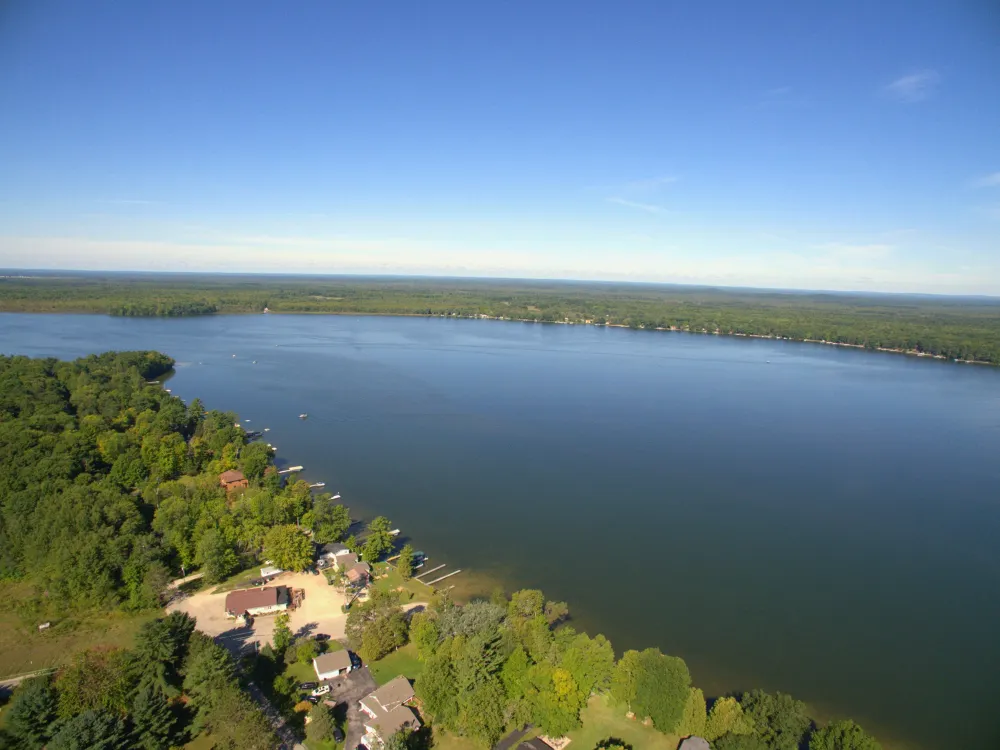
The District is taking direct action to manage Eurasian Water Milfoil through targeted removal projects. Recent efforts have successfully reduced invasive plant growth in key areas of the lake, helping prevent further spread and protect water quality and recreation.